Education Background
Both of my parents are educators, so I have always been immersed in that world, and always valued the importance of lifelong learning.
Tutoring and Conservation Education
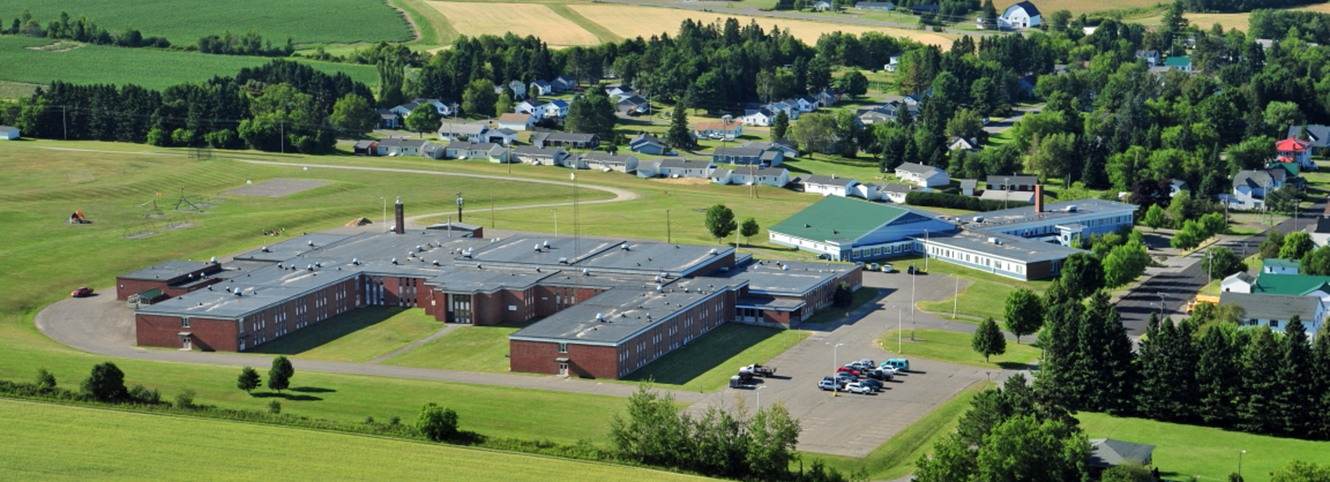
My first foray into teaching was working as a math, physics, computer science, and writing tutor while in high school at the Maine School of Science and Mathematics in Limestone, Maine. I did this for three years, my senior year serving as a Lead Tutor.
Over the summers I worked as a counselor at Greenland Point Center, a conservation-focused summer camp in Princeton, Maine. Here, I taught skills in survival, hunter’s and boater’s safety, and wildlife identification.
Vassar IgniteCS
At Vassar College, my passion for teaching grew alongside an understanding of the issues with access to education and opportunity. This became hard to ignore at Vassar, where the campus itself is this bubble of gorgeous architecture and perfectly manicured flower beds, with a literal unfinished wall surrounding the campus to separate it from the working city of Poughkeepsie. Formerly one of IBM’s largest and most important hubs of manufacturing and research & development, deindustrialization in the 90s left scars that are still healing on the last stop on NYC’s Metro-North line. I remember when some wealthy alum donated huge sums to the school, earmarked for rebuilding the “Shakespeare Garden” behind the Computer Science building. This money was not to be used for scholarships to bring people from broader backgrounds to Vassar, nor was it to be used for community outreach. As time went on, the vast wealth concentrated at the college and where that money went made me more and more uneasy.
Working under the existing computer science club, a small group of me and maybe two or three other students reached out to local middle schools and developed a program to provide weekly after school classes covering fun and practical computer science skills. We acquired funding through Google’s IgniteCS program, and our first year taught students to use Arduinos, open source microcontrollers that we hoped would show the students a bit of hardware and software, and excite them enough to continue pursuing their education.
Our second year, we doubled the number of Vassar students involved and narrowed our focus to teaching Python programming. This allowed us to dig into greater depth, rather than splitting focus between learning the hardware and programming. It also allowed us to break the course up and have different Vassar students work on different lectures, so we could handle a significantly larger cohort of students and range of topics. By eliminating our hardware costs, we were also able to put our limited budget towards providing food which we hoped would encourage lower income students who otherwise would be more likely to miss out on these kind of opportunities to consider joining. It was incredibly satisfying seeing some of the students from our first year return!
You can read this article about this year’s program.
The third year, we were very excited to have much of the groundwork already done. We had lectures written, we had relationships with local middle schools, and we even had repeat students who were encouraging their friends and younger students to join! Unfortunately, Google’s IgniteCS program completely restructured without much warning. They would no longer provide funding, and the optional coursework they’d provided was now required, with no flexibility to teach what we wanted. This coursework was entirely pen and paper, and while that is absolutely a legitimate way of teaching computer science, we felt that the students we were working with would not be excited by a course that didn’t actually use computers at all. More importantly, we felt that with our particular goal of encouraging young people who otherwise might not think that computer science is welcoming for them, getting these students comfortable actually using a computer to solve problems was paramount. Our biggest goal was to get these students passionte enough about what they started with us to continue. So, we ended our relationship with IgniteCS, and with the success of our previous year, were able to secure funding through Vassar’s Student Government to continue providing food.
This year, we took our existing lectures on the fundamentals of Python programming, and added a series of lectures on broader topics in computer science and technology that we hoped would be exiting and interesting to these students.
Vassar CS Summer Camp
Following the success of these courses, Jason Waterman, my favorite CS professor at Vassar, reached out to me and my friend Ian who were the principal content writers for the program about teaching a more more extensive summer CS camp aimed in particular at Vassar students who had no background in computer science. This course was loosely based on Harvey Mudd’s introduction to computer science as well as Prof. Waterman’s and our lecture material, with the hope being to eventually replace Vassar’s existing CMPU101 introductory class, which taught Scheme and was overly focused on theory and not up to date with modern programming techniques.
This course was six weeks long, five days a week. The first four weeks were structured with a lecture from Prof. Waterman in the morning, and then after lunch a shorter lecture from Ian and I with a project we had prepared that the students could work on with our help. The final two weeks, we helped the students develop ideas for projects and implement them.
The content we wrote for this course can be found on this GitHub repository. We worked closely with Prof. Waterman the semester leading up to the course and made contributions across the course, but these exercises were Ian and my primary contribution.
You can also check out this article about the summer program.
Math Instruction, Kent’s Hill School
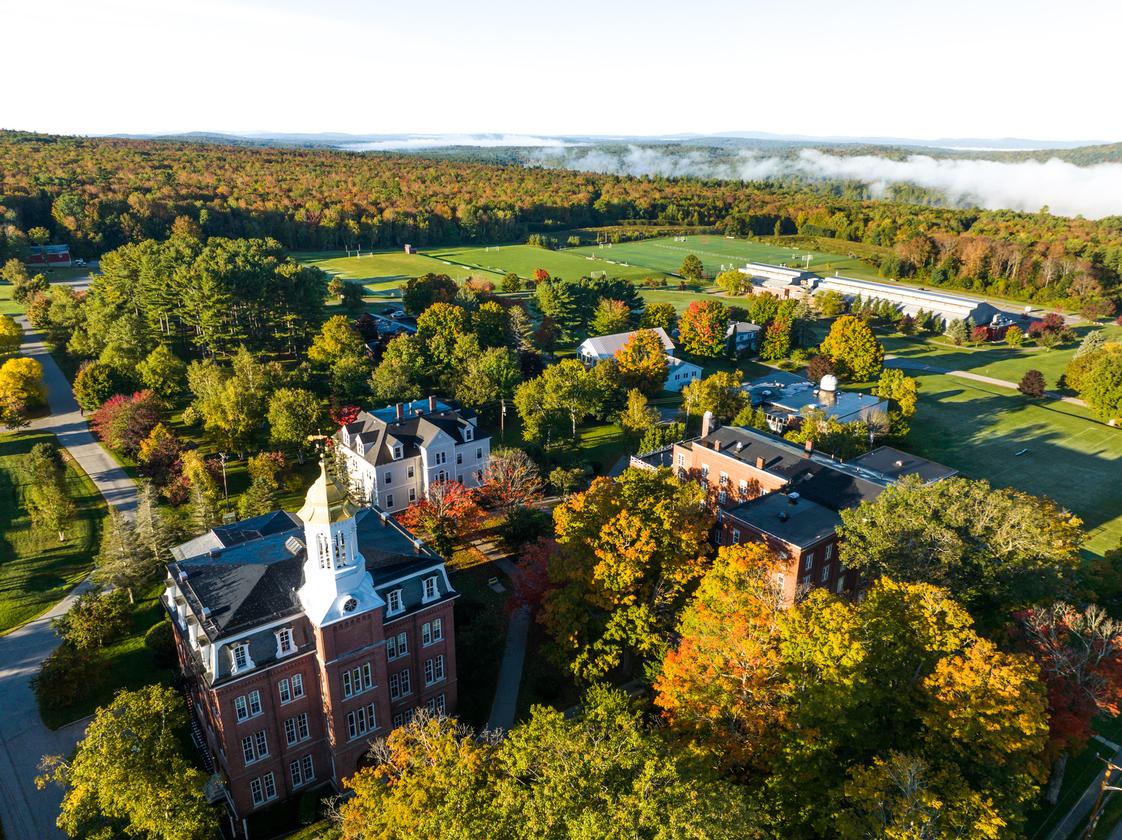
After college, I worked at Kent’s Hill School in Maine as a part time math instructor, filling in for a teacher who had unexpectedly left. I taught a section of Honors Geometry and a much larger Algebra 1 class. The head of the math department was the only full time member of the math faculty, and so she was happy to have a competent instructor on board and gave me full independence to teach the courses as I saw fit. This was an exciting opportunity, but also daunting to be thrown into the deep end by myself!
For the Honors Geometry class, I was provided The Art of Problem Solving: Introduction to Geometry by Richard Rusczyk, which was a useful and well thought out textbook. This gave me a really good basis to go off of. The small class size allowed me to tailor my instruction to the needs and interests of the students. I developed lecture slides, homeworks, and tests which you can peruse here.
For the Algebra class, the textbook I was provided did not fit the group well. For this course, I focused less on the textbook and developed more handouts myself, and had conversations with the Algebra 2 instructors and the head of the math department about learning outcomes. The class was also significantly larger and more differentiated, with freshman, sophomores, and even one junior. Students of varying ability and interest, and a group of students for whom English was their second language provided a unique challenge.
One of these students had excellent English. He clearly wanted to be a bit of a trouble maker. But I made it impossible for him! He would often ask questions that he thought would stump or frustrate me, like asking why we are doing something a particular way or why we were even learning something. He did not anticipate that I would genuinely love these questions, and give him real answers. Sometimes, that answer would be that this particular thing we are learning is actually useless in itself, but that the process of understanding it is valuable, or that understanding it will make it easier to learn something more useful in the future. More often than not, I’d have the context to actually provide him a satisfying answer, and regardless he clearly appreciated my candor. We ended up developing a great relationship, he would get genuinely excited when he started to understand a concept which was so satisfying to see. I relied on him heavily to help me explain ideas to the other Spanish speakers when we occasionally ran into confusion surrounding the language barrier.
You can see the lecture slides, homeworks, quizzes, handouts, and tests I developed for this course here.
Kent’s Hill School offered me a full time position and to fund a Master’s in Education at the University of Maine in Farmington, but I’d been contacted about doing the carpentry work on Bremen Long Island referenced on my build portfolio, which was too interesting of a project to turn down!